



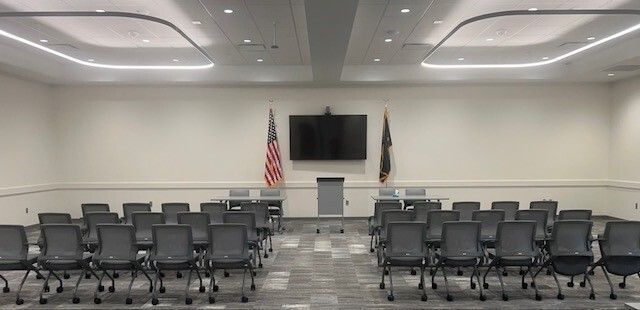


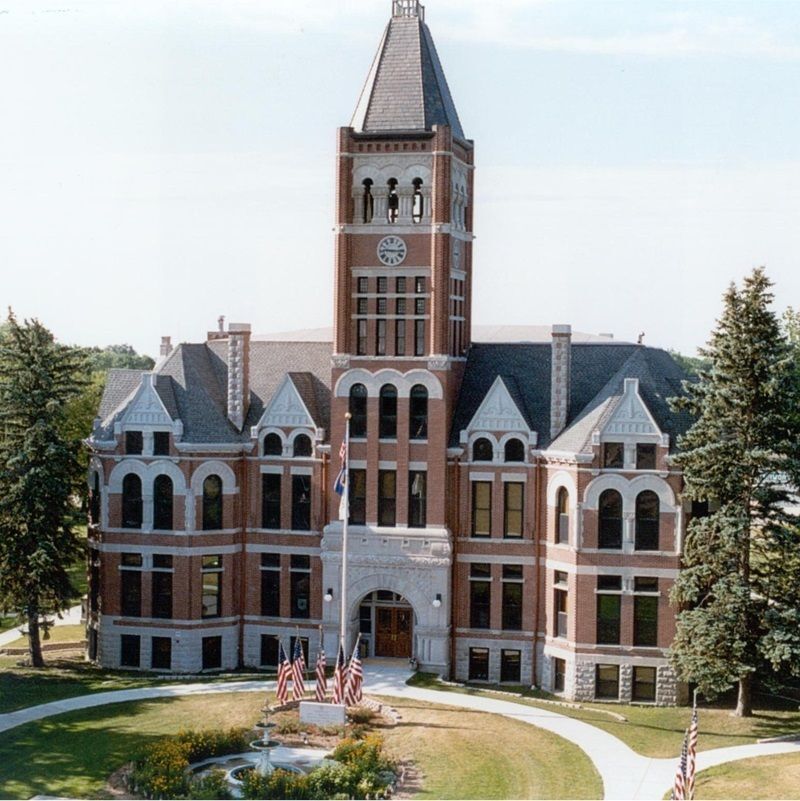
The Governor’s Data Center Task Force met on October 20 in Columbus, Nebraska, to continue discussions on large-scale data center development. Topics included energy and water reporting, ratepayer protections, community engagement, and economic development.
The Nebraska Department of Water, Energy, and Environment reviewed reporting requirements established through LB1010, passed during the 2026 legislative session. The legislation requires data centers with a peak electricity demand of 10 megawatts or more to annually report information, including energy demand and water usage. Discussion focused on gathering reliable data to strengthen accountability, transparency, and informed decision-making. Berkshire Hathaway Energy also provided information on financial arrangements and infrastructure investments designed to protect existing utility ratepayers from costs associated with large-load projects.
A portion of the meeting focused on early community engagement and building relationships with residents, neighboring landowners, local officials, and community organizations. Meaningful engagement early in the development process can help address concerns, build trust, and create a stronger foundation for successful projects. Economic development discussions included identifying counties and communities interested in industrial growth. NACO emphasized that counties generally support economic development, but local officials must have the flexibility to determine which projects best align with their county’s needs, resources, and long-term vision.
The discussion also highlighted how the impacts of large development extend beyond the project site. Housing availability, childcare, workforce needs, broadband access, and road infrastructure must be considered during construction and future operations. These challenges can be particularly significant in rural counties, where infrastructure and services differ from those in municipalities.
Revenue opportunities were also discussed as an important consideration. As political subdivisions of the state, Nebraska counties have limited authority to generate additional revenue to support the demands of major industrial development. Community benefit agreements required under LB1010, along with potential legislative solutions, may provide opportunities to help counties address these impacts.
NACO reinforced that a one-size-fits-all approach does not work for Nebraska’s counties. Geography, agricultural operations, infrastructure, and community priorities vary widely. Local planning and public engagement are essential to ensuring residents have a voice in decisions that affect their communities.
My takeaway from the discussion is that economic development is important to Nebraska’s future, but successful growth requires thoughtful planning, strong relationships, and an understanding of local needs. Counties should have the tools and flexibility to determine what type of growth best supports their long-term vision.
Resources from the Data Center Task Force can be found here: