




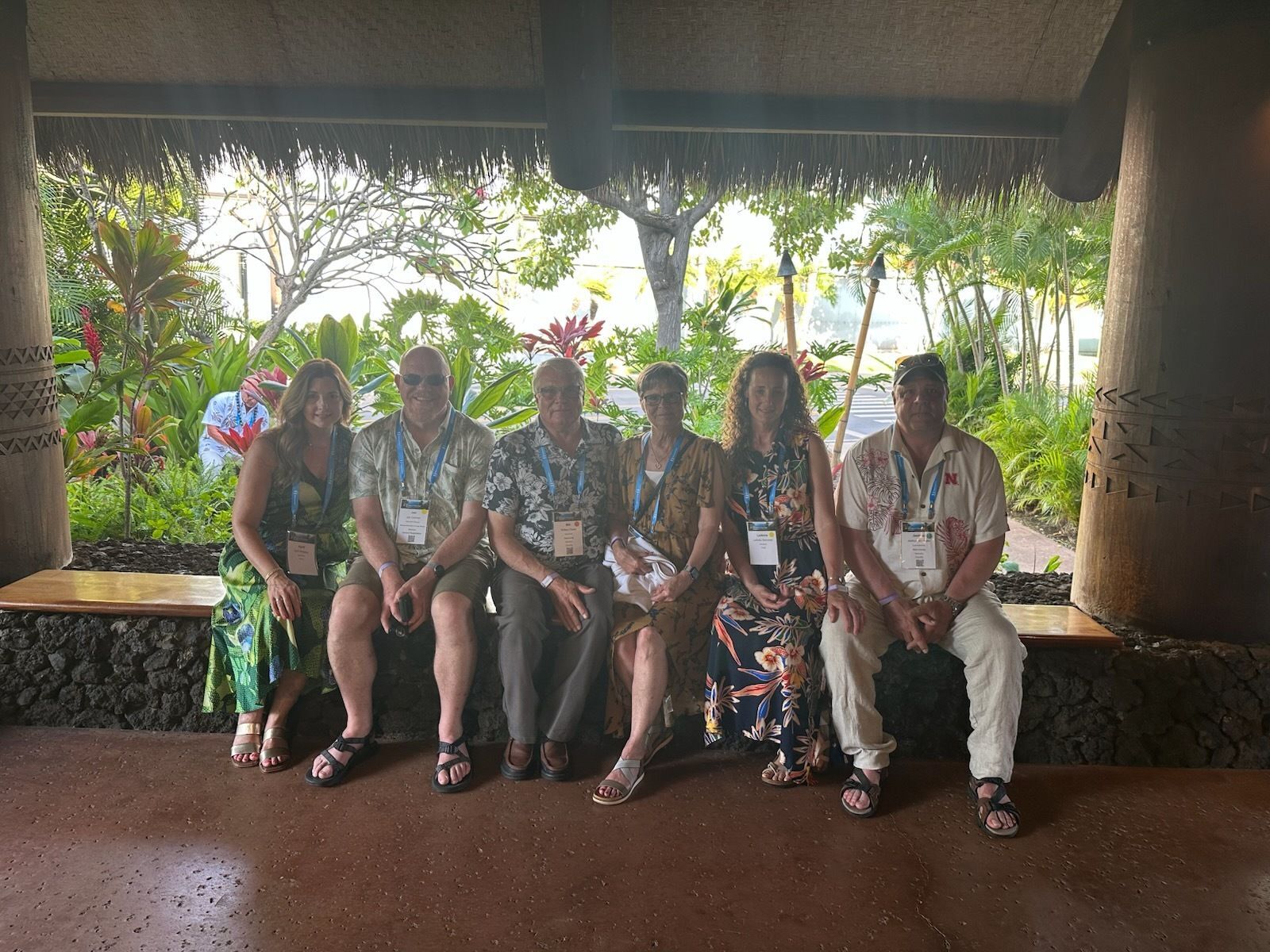
Jon Cannon, Bill Tielke, Josh Skavdahl, Valery Bell, and I had the honor of attending the 2026 WIR Conference in Maui from May 6–8. Much of the educational content centered on wildfire disaster response and recovery, with a powerful focus on the 2023 wind-driven fires that devastated the town of Lahaina. Those fires destroyed homes and businesses, claimed the lives of 102 people, and left others still missing.
The stories shared throughout the conference were both heartbreaking and inspiring. With the help of local champions, Maui County, the State of Hawaii, FEMA, and many community partners worked together to support displaced Lahaina residents and begin the long process of recovery. The displacement of so many people created challenges far beyond housing. It affected sheltering, animal care, child care, workforce availability, access to food, and the overall stability of the community.
Recovery required collaboration, creativity, and trust. It also required a willingness to embrace new solutions while honoring the history, culture, and sacred places of the community.
Bill Tielke and I participated in a mobile tour that gave us the opportunity to see firsthand how recovery has taken shape. We learned about housing partnerships, cultural training for contractors from the mainland, preservation of sacred ground and burial sites, and efforts to rebuild both the business community and the local workforce.
One message from the conference especially stood out. U.S Senator Brian Schatz shared that county officials are often the antidote for citizens who lack trust in government because counties are on the ground getting the work done. That statement resonated deeply. County officials are often the first to respond, the last to leave, and the steady presence communities rely on when disaster strikes.
Valery Bell, Jon Cannon, and I also attended a presentation on disaster preparedness. The session included discussion about potential FEMA organizational changes and how those changes could impact county and state cost-sharing for declared natural disasters. It was an important reminder that preparedness is not only about emergency plans. It is also about financial readiness, strong partnerships, clear communication, and local leadership.
One of the key takeaways from the conference was the importance of being proactive. Natural disasters are becoming larger and more frequent, and counties must be prepared to respond quickly, support recovery efforts, and advocate for the needs of their communities.
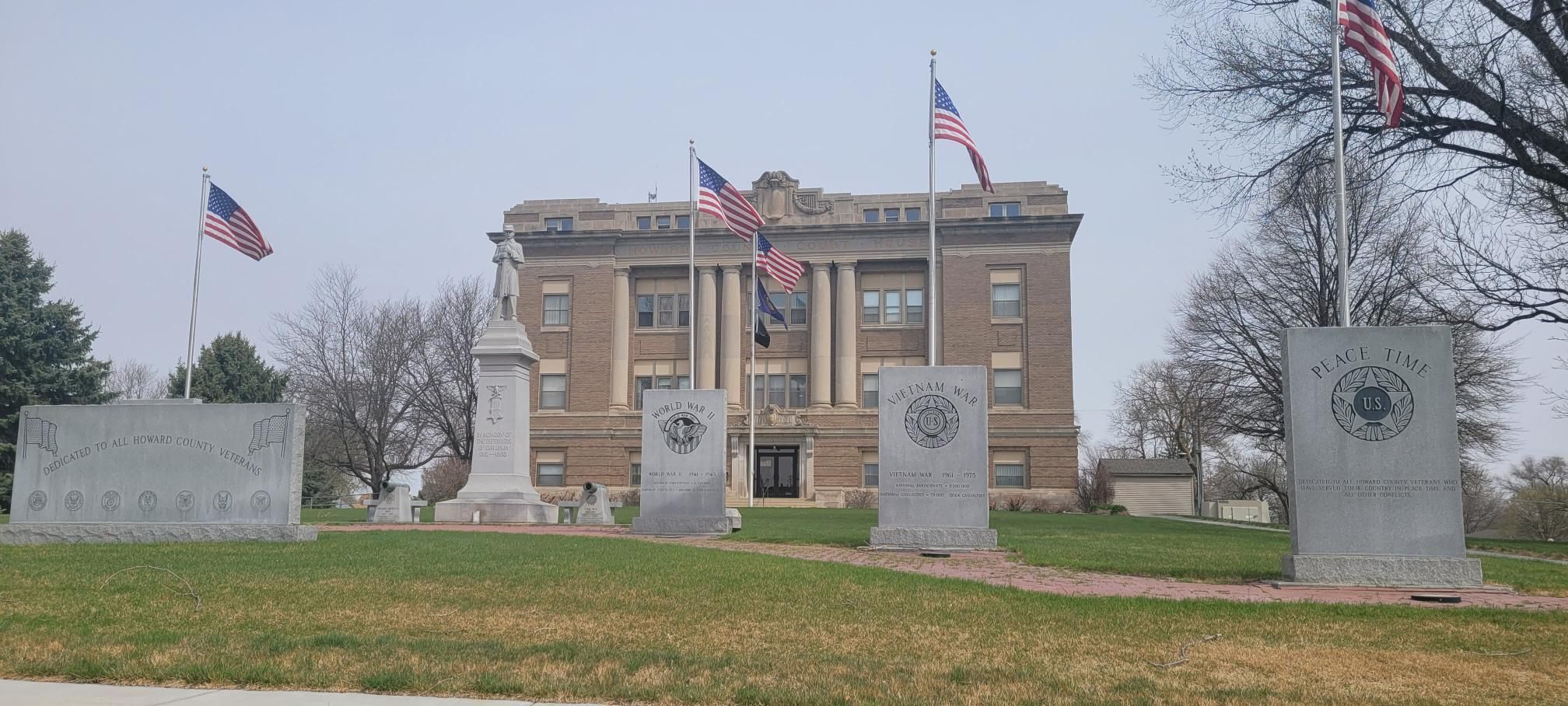
As I reflected on the conference, I also thought about Nebraska’s own resilience during recent wildfires and other natural disasters. Time and again, Nebraska communities come together to support one another. Local leaders work alongside residents, emergency managers, state partners, and federal agencies to protect lives, restore services, and ensure the voices of local people are heard.
The lessons from Lahaina reinforce the important role counties play before, during, and after a disaster. Counties must be prepared with adequate cash reserves for response and recovery. They must also be prepared to serve as the trusted face and voice guiding a community through some of its most difficult days.
The 2026 WIR Conference was a meaningful reminder of the strength of local government, the importance of preparedness, and the resilience found in communities across the country.
We are Nebraska counties.