



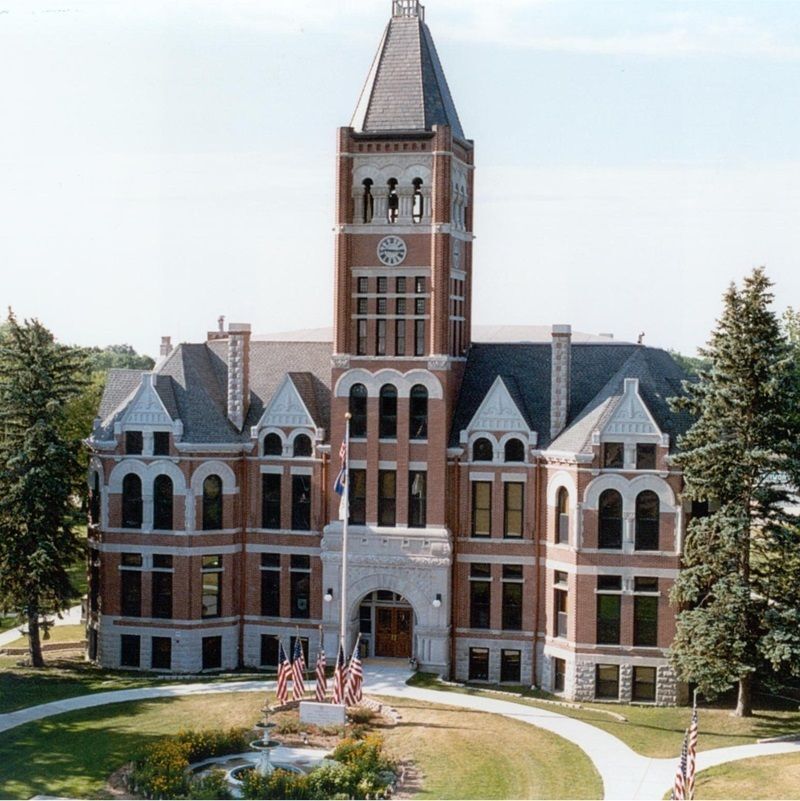
Nebraska recently participated in the National Association of Counties’ (NACo) Western Interstate Region (WIR) Fall Board of Directors meeting held in Fremont County, Colorado. As a probationary associate member of WIR, NACO was pleased to represent Nebraska’s counties, bringing our perspective to regional conversations while learning how neighboring Western states tackle shared fiscal, statutory, and operational challenges.
Federal Legislation, PILT, and Land Management
Federal policy updates led by NACo and WIR staff centered on key legislation impacting county budgets and local services. Discussions included the Secure Rural Schools (SRS) reauthorization efforts (S. 5608) and forest management policies.
A central topic for county leaders across the West was Payments in Lieu of Taxes (PILT) funding. As NACo CEO Matt Chase (participating via Zoom) stated during the meeting, “PILT is never safe, but is included in the baseline budget.” Sustained advocacy is vital to ensure these federal payments are protected and fully funded to support the county infrastructure and emergency services that public lands rely on. WIR and NACo have been working for years on ensuring that these vital payments get made.
In addition, board roundtables explored the emerging conversation around data center siting and taxation frameworks — an issue rapidly evolving across both public and private lands nationwide.
Local Innovation: The Emergent Center Tour
A highlight of the meeting was an economic development mobile tour of the Emergent Center in Florence, Colorado. Local leaders revitalized the community's former high school facility into an active business incubator. Despite launching just before the COVID-19 pandemic, the incubator now houses 22 diverse businesses employing 155 people.
During the visit, board members toured spaces supporting local cybersecurity training for the US military and received a demonstration from Barn Owl Precision Ag, illustrating how rural communities can repurpose existing infrastructure to diversify local economies, retain talent, and foster homegrown entrepreneurship.
Producer Resilience and Agricultural Mental Health
The board also heard a presentation on agricultural behavioral health from Chad Reznicek, Behavioral Health State Specialist with CSU Extension and co-director of the Colorado AgrAbility Project (and a Valley County, Nebraska native).
Reznicek addressed the unique occupational pressures facing producers, discussing the “Agrarian Imperative” — the deep connection to the land that fuels producers' determination but can also lead them to put community and work ahead of personal wellness. The discussion emphasized the importance of peer check-ins (“Do you look after your neighbors as closely as you look after your crops and herds?”) and pointed to resources such as FarmStress.org.
The Nebraska Rural Response Hotline (800-464-0258) offers valuable resources, including free counseling vouchers through the Counseling Outreach and Mental Health Therapy (COMHT) Program.
Partnering on Rural Infrastructure
Sallie Clark, USDA Colorado State Director for Rural Development, presented on federal programs supporting community vitality across the 17 WIR states. Through direct loans, loan guarantees, and grants, USDA Rural Development partners with local entities to invest in:
- Affordable Housing: Direct home loans and repair grants.
- Business Development: Direct and guaranteed business financing.
- Community Facilities & Infrastructure: Financing for essential community assets like fire stations, police stations, and emergency community water assistance (ECWAG) disaster grants.
County leaders were also encouraged to explore tools like the Rural Data Gateway, which helps local officials track federal investments and access data tailored to rural community planning.
Bringing Western Perspectives Home
Whether navigating energy development, supporting rural health, or finding innovative ways to spur local job growth, counties across the West share many of the same core responsibilities and hurdles. NACO looks forward to continuing our engagement with WIR and ensuring Nebraska counties have a seat at the table as these regional and national discussions move forward.